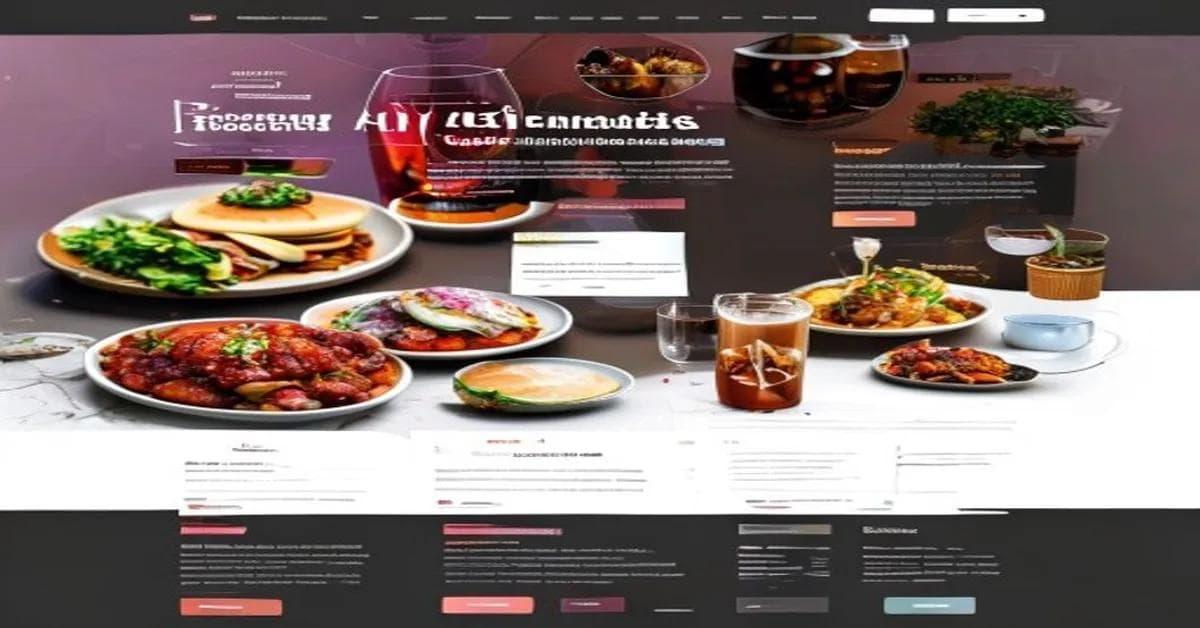
Website Guide for Family Restaurants: Design, Features, and SEO
Create the perfect website for your family restaurant! Learn about essential features, design tips, and local SEO to attract more customers and grow your business.
Family-owned restaurants hold a special place in our hearts. They're built on tradition, family recipes, and a love for serving delicious food. In today's digital world, a great restaurant needs a great website. Your website is often the first place people go to discover your restaurant, browse your menu, and decide if they want to visit. This guide will show you how to create the best website for your family restaurant, attract more customers, and share your unique story.
Why Your Restaurant Needs a Website
Think of your website as your digital welcome mat. It's always open, inviting hungry customers to step inside. A good website is more than just a pretty picture; it's a powerful tool that helps people find you, explore your food, and make a reservation. Here's why it's so important:
- Make a Great First Impression: Your website is often the first thing people see when they search for a place to eat. A well-designed site makes a positive first impression and encourages them to learn more.
- Show Off Your Food: Your menu is the star! An easy-to-read, mouthwatering online menu can tempt people to visit.
- Tell Your Story: Family restaurants have unique stories. Your website is the perfect place to share your history, values, and what makes your restaurant special. Let people connect with your family's passion.
- Easy Reservations: Online booking saves time and makes it easy for customers to plan their visit. A simple booking system can make a big difference.
- Get Found Locally: A website helps you rank higher in local search results, so people nearby can easily find you when they're searching for a place to eat.
Must-Have Features for Your Restaurant Website
To make your website truly effective, it needs certain key features. These features will help you attract customers, provide information, and create a positive experience.
- Simple Navigation: Your website should be easy to use. People should be able to find what they're looking for quickly and easily. Use clear menus and labels.
- Works on All Devices: Many people use their phones to search for restaurants. Make sure your website looks good and works well on all devices, from phones to tablets to computers. This is called responsive design.
- Appealing Photos: Use high-quality photos of your food, restaurant interior, and happy customers. Visuals are powerful and can make your food look irresistible. Consider hiring a professional photographer.
- Online Menu: Your menu should be easy to find and read. Make sure the prices are up to date and consider adding descriptions of each dish.
- About Us Page: Share your story! Tell people about your family's history, your values, and what makes your restaurant special. People love to connect with the people behind the food.
- Contact Information: Make it easy for people to contact you. Include your phone number, address, email address, and a contact form. Make sure this information is easy to find on every page.
- Map and Directions: Embed a map on your contact page so people can easily find your restaurant. Provide clear directions from major landmarks.
- Online Ordering (Optional): If you offer takeout or delivery, consider adding online ordering to your website. This can significantly increase your sales and reach new customers.
- Reservation System: Integrate a reservation system so people can book a table online. This saves time for both you and your customers.
- Customer Reviews: Display positive customer reviews on your website. This builds trust and encourages others to try your restaurant. Consider using a plugin that automatically pulls reviews from Google or other review sites.
- Blog (Optional): A blog can be a great way to share recipes, stories, and news about your restaurant. It also helps with SEO by providing fresh, relevant content.
Design Tips for a Delicious-Looking Website
Your website's design should reflect the personality and style of your restaurant. Here are some design tips to create a website that looks great and attracts customers:
- Choose Your Colors: Select a color scheme that matches your restaurant's branding. Think about the feeling you want to create. Warm colors can stimulate appetite, while cool colors can create a calming atmosphere.
- Great Images are Key: As mentioned earlier, high-quality images are essential. Invest in professional food photography to make your dishes look their best. Avoid using stock photos.
- Keep it Simple and Clean: Don't overcrowd your website with too much information or too many images. Keep the design clean and simple so it's easy to navigate. Less is often more.
- Use Empty Space: Empty space (also called negative space) is the blank space around your content. It helps to make your website look less cluttered and more visually appealing. Give your content room to breathe.
- Easy-to-Read Fonts: Select fonts that are easy to read on all devices. Use a combination of headings and body text to create a clear structure and hierarchy.
- Highlight What's Special: If you have any specials or promotions, make sure they are prominently displayed on your website. Use eye-catching banners or pop-up messages.
- Show Off Your Restaurant: Use photos and videos to showcase the atmosphere of your restaurant. Give people a sense of what it's like to dine at your establishment. Consider a virtual tour.
What Makes a Good Restaurant Website? Examples
Let's look at what makes a restaurant website effective. This will help you understand what to aim for when designing your own site.
A Great Restaurant Website Has:
- Fast Loading Times: Loads quickly on all devices. No one wants to wait for a slow website.
- Mobile-Friendly Design: Looks great and works well on phones and tablets. Most people will be viewing your site on their phones.
- Simple Navigation: Easy and intuitive menu structure. People should be able to find what they need quickly.
- High-Quality Photos: Professional photos of food and restaurant. Make your food look irresistible.
- Clear Menu: Easy-to-read menu with prices and descriptions.
- Online Ordering/Reservations: Convenient online booking system. Make it easy for people to give you their money.
- Contact Information: Easy to find phone number, address, and email.
- Customer Reviews: Positive reviews displayed prominently. Show off your happy customers.
- Engaging Content: Compelling story and descriptions. Tell people why they should choose your restaurant.
- SEO Friendly: Uses relevant words to rank in search results. Help people find you online.
A Poor Restaurant Website Has:
- Slow Loading Times: Takes too long to load, frustrating users. People will leave if your site is slow.
- Not Mobile-Friendly: Looks distorted and difficult to use on phones. This will drive away potential customers.
- Confusing Navigation: Difficult to find information. People will get frustrated and leave.
- Low-Quality Images: Blurry or unprofessional photos. This makes your food look unappetizing.
- Outdated Menu: Incorrect prices or missing items. This will lead to unhappy customers.
- No Online Ordering/Reservations: Inconvenient for customers. You're missing out on potential business.
- Hidden Contact Information: Hard to find phone number or address. People won't be able to contact you.
- No Customer Reviews: Lacks social proof. People won't trust your restaurant.
- Generic Content: Boring and uninformative. You're not giving people a reason to choose you.
- Poor SEO: Doesn't rank in search results. People won't be able to find you online.
How Much Does a Restaurant Website Cost?
The cost of a website for your family restaurant can vary depending on several things, including the complexity of the design, the number of pages, and the features you need. Here's a general idea of what you can expect:
- Basic Website (Simple Design): This includes a basic website with a few pages (home, menu, about us, contact). It's a good option for restaurants on a tight budget. Expect to pay around $500 to $1,500.
- Standard Website (Custom Design): This includes a custom-designed website with more features, such as online ordering or a reservation system. Expect to pay around $1,500 to $5,000.
- Premium Website (Advanced Features): This includes a high-end website with advanced features, such as a blog, customer reviews, and social media integration. Expect to pay $5,000 or more.
Remember that these are just estimates. The actual cost may vary depending on the web designer or agency you choose. It's always a good idea to get quotes from several different designers before making a decision.
Local SEO for Restaurants: Get Found in Your Neighborhood
Local SEO is essential for helping people in your area find your restaurant online. Here are some tips to improve your local SEO:
- Google Business Profile: Claim and optimize your Google Business Profile (GBP). This is a free listing that appears in Google search results and Google Maps. Make sure your GBP is complete and accurate, with your restaurant's name, address, phone number, website, hours of operation, and photos. Keep it updated with new photos and posts.
- Use the Right Words: Use relevant words throughout your website content, including your page titles, headings, and descriptions. Think about what people are searching for when they're looking for a restaurant like yours. Examples of words include "family restaurant," "Italian food," "pizza delivery," and "best burgers."
- Get Listed Online: Get listed in as many online directories as possible, such as Yelp, TripAdvisor, and Zomato. Make sure your restaurant's name, address, and phone number (NAP) are consistent across all listings.
- Encourage Reviews: Encourage customers to leave reviews on your Google Business Profile and other review sites. Positive reviews can boost your local SEO and attract more customers. Respond to reviews, both positive and negative.
- Local Content is Key: Create content that is relevant to your local community. For example, you could write a blog post about local events or partner with other local businesses. This shows Google that you're an active part of the community.
- Mobile-Friendly is a Must: Make sure your website is mobile-friendly, as many people use their phones to search for restaurants.
- Help Search Engines Understand: Implement schema markup on your website. This is code that helps search engines understand the content on your pages. There is schema markup specifically for restaurants, which can help you display your menu, hours, and other important information in search results.
In Conclusion
A well-designed website is essential for any family-owned restaurant that wants to succeed. By following the tips in this guide, you can create a website that attracts more customers, showcases your food, and shares your story with the world. Focus on creating a user-friendly experience, using high-quality visuals, and optimizing your website for local SEO.
Ready to get a website that works? Send a message on WhatsApp and let's talk about your project.